
3D learning Hub

3D Printing Biocompatible Materials

Key-takeaways:

  • At Sculpteo, PA12, PA11 and PP are all available as biocompatible materials suitable for skin contact, supported by ISO 10993 and USP Class certifications.

  • Our industrial SLS and MJF technologies deliver consistent, high-performance parts that meet the requirements of medical-grade contact applications.

  • PA12 offers excellent stiffness and chemical resistance; PA11 (bio-based) provides exceptional flexibility and sustainability; PP (polypropylene) adds remarkable chemical resistance and fatigue performance.

  • These materials are ideal for prosthetics, orthotics, wearable medical devices, functional medical tools and surgical guides.

  • Surface finishing and proper post-processing remain essential to hygiene and comfort in healthcare applications.

Understanding biocompatibility in 3D Printing

Biocompatibility in the context of 3D printing goes beyond the mere chemistry of a material. It means that a component printed from a chosen polymer can safely contact biological tissue or skin without inducing toxic, allergic or inflammatory responses. This applies not only to implants but also to any device that touches the body even temporarily.

Standards such as the family of ISO 10993, plus other relevant regulations, provide frameworks for assessing cytotoxicity, sensitization, irritation, systemic toxicity, etc. A “biocompatible” 3D printed material must therefore be inert, stable under required sterilization or cleaning conditions, and free of harmful extractables. Equally important: the printing process itself (including powder handling, layer bonding, porosity, post-cleaning) influences biocompatibility outcomes.

At Sculpteo, the printing workflows incorporate professional powder-bed technologies (SLS and MJF) with validated procedures for powder reuse, cleaning, and finishing ensuring material integrity and surface quality.

wearable sensors

Why Nylon is a preferred biocompatible polymer

When selecting materials for medically relevant 3D printing, designers often face many options: PLA, PETG, resins, metals, high-performance polymers. Yet not all provide the balance of safety, mechanical performance and process readiness for skin contact or device-contact use. PLA may lack durability, conventional resins may leave residual monomers, metals or PEEK are costly and demand complex post-processing and validation.

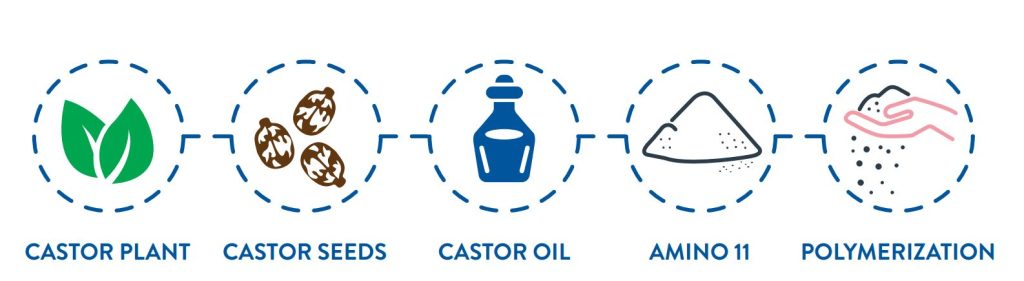
Nylon especially in the form of PA12 and PA11 offers an attractive middle ground. These are polyamides with strong molecular structure, delivering good mechanical strength, flexibility, wear resistance, and chemical resistance. For more technical details on Sculpteo’s material documentation you can find more informations here. The waterproofing, low moisture-absorption and stable crystalline structure of PA12 make it resistant to deformation and suitable for durable, functional parts. The PA11 material is bio-derived (from castor oil) and described as “skin-safe” for contact applications.

Our PA11 HP (MJF) is approved for skin contact, making it possible to create made-to-measure medical devices such as orthopedic parts. This makes PA11 especially relevant where flexibility and comfort alongside biocompatibility are required.

PA11 castor oil

Sculpteo’s biocompatible 3D Printing materials

The following table summarizes the essential characteristics of Sculpteo’s main biocompatible materials, PA12, PA11, and PP, all available through our SLS and MJF 3D printing processes.

Property Nylon PA12 (SLS or MJF) Ultrasint® PA11 (SLS or MJF) PP (Polypropylene)
Source Petrochemical polyamide Bio-based from castor oil Petrochemical polypropylene (BASF-enabled PP)
Printing technology SLS and MJF SLS and MJF MJF (HP Jet Fusion)
Flexibility Rigid Flexible, impact-resistant Highly flexible, fatigue-resistant (living hinges)
Chemical resistance Excellent Excellent Outstanding chemical resistance (acids, bases, solvents)
Biocompatibility Yes – ISO 10993-5 (cytotoxicity), ISO 10993-10 (irritation & sensitization), USP Class I–VI Yes – ISO 10993-5, ISO 10993-10, ISO 10993-11, USP <88> muscle implantation, USP Class I–VI Yes – passed ISO 10993-5, -10, -11 tests for intact skin devices (cytotoxicity, sensitization, irritation, systemic toxicity, pyrogenicity)
Surface finishing options Raw, polished, smoothed Raw, smoothed Raw
Sustainability profile Conventional polymer Renewable, low-carbon alternative Conventional polymer
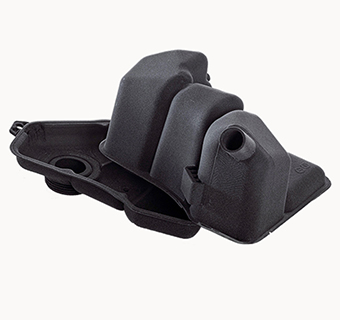
MJF part
Performance

PA11 HP

HP Jet Fusion Technology

Applications of biocompatible 3D Printing materials

The use of biocompatible 3D printing materials extends far beyond simple prototypes. Additive manufacturing enables personalized, one-off or small-series components precisely adapted to a patient’s anatomy or a clinician’s workflow.

Common and effective applications include:

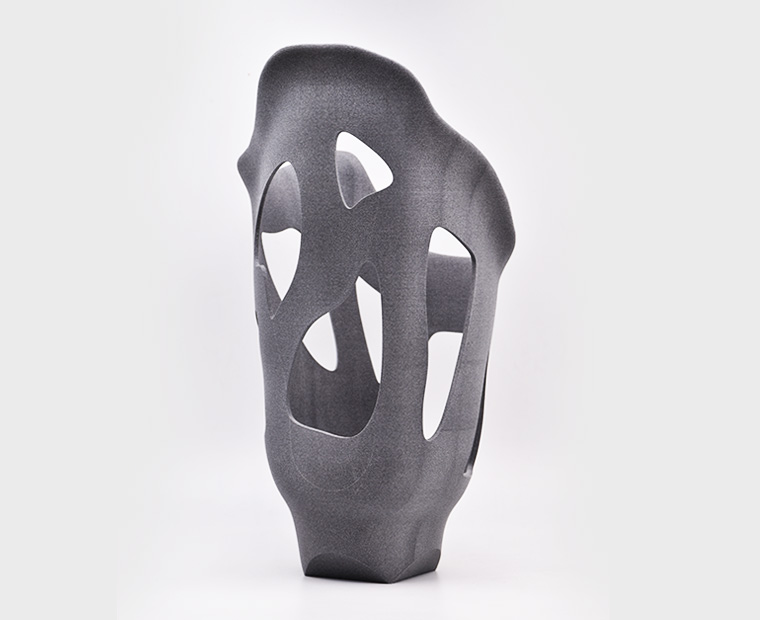
  • Prosthetics & orthotics: Using PA12, designers can develop lightweight prosthetic sockets with high durability, chemical resistance, and comfort for long skin contact. Using PA11, especially when flexibility and comfort are priorities, enables wearable orthotic shells and patient-fitted devices. For instance, Sculpteo features a case where an orthotic device was produced in Ultrasint® PA11 for patient-specific anatomy. PP provides exceptional fatigue resistance, making it ideal for flexible hinges, dynamic supports and wipe-clean protective shells.

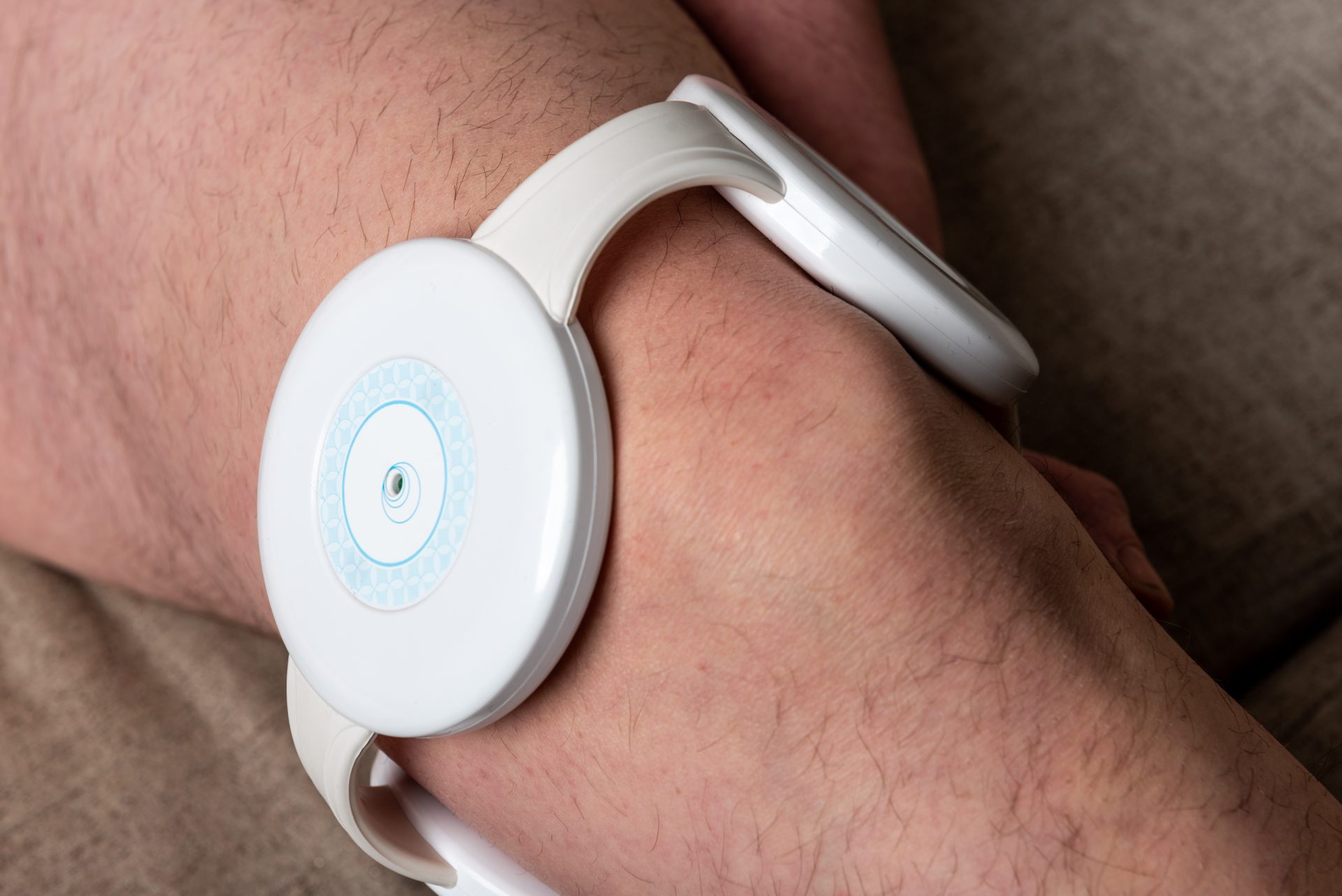
  • Wearable medical devices and contact components: For devices that contact skin (e.g., wearable monitors, orthotic liners, inserts), PA11’s biocompatibility and flexibility make it well suited; PA12 offers robustness and repeatability. PP adds smoothness, flexibility and high chemical resistance, ideal for sweat-exposed or disinfectant-cleaned parts.

  • Medical device prototyping & small-series manufacturing: Because PA12, PA11 and PP are compatible with professional additive workflows including finishing and sterilization, engineers can iterate functional devices without compromising safety and performance.

Material Document Title
Ultrasint® PA11 Biocompatibility statement
PA11 HP Biocompatibility information
PA12 MJF Biocompatibility certificate
PA12 SLS Regulatory information
PP (Polypropylene) Biocompatibility certificate

Surface quality, post-processing and sterilization

Even when a material is intrinsically biocompatible, the final safety and hygiene of a printed part depend heavily on post-processing and finishing. For powders materials like PA12, PA11  and PP, the nature of the powder-bed fusion process can leave micro-porosity or residual powder, which must be addressed.

At Sculpteo, surface finishing options such as mechanical polishing, chemical smoothing, and careful cleaning help achieve smoother, denser surfaces with fewer micro-voids. Smoother surfaces reduce bacterial adherence, improve comfort for skin contact, and ease sterilization. Post-processing must consider surface finish for medical or wearable use.

It should be ensured that sterilization methods (e.g., ethylene oxide, gamma, steam) are validated for their specific part, accounting for potential dimensional change or material degradation.

Regulatory and certification considerations

Even though our material are certified as biocompatible, printing a medical device implies further regulatory and certification steps. The ISO 10993 family covers biological evaluation of medical devices (cytotoxicity, irritation, sensitization). Device manufacturers must also consider region-specific regulatory pathways (e.g., U.S. Food and Drug Administration (FDA) in the U.S., or the EU MDR in Europe) which include traceability, process validation, documentation and, for higher-risk devices, clinical evidence.

Sculpteo supports traceability and industrial-grade manufacturing workflows, which aids customers in meeting regulatory requirements. However, the device manufacturer remains responsible for qualification, cleaning/sterilization validation, and material certification for the intended use.

Advantages and design best practices

Designing parts for biocompatible 3D printing requires blending robust engineering design with biological-use thinking. Using PA12 and PA11 offers opportunities and imposes responsibilities.

Advantages:

  • Nylon’s strength-to-weight ratio is excellent; it retains performance under heat and moisture better than many standard plastics.

  • The powder-bed processes (SLS, MJF) enable complex geometries, internal lattices, undercuts, and consolidated assemblies.

  • PA11 adds an eco-friendly dimension (bio-sourced) and excellent toughness/flexibility for wearable parts.

Best practices:

  • Choose appropriate surface finishing (mechanical polish, chemical smoothing) to minimise porosity and improve skin comfort.

  • Ensure that sterilization or cleaning methods are addressed early in the design process (e.g., material compatibility, dimensional changes, clearances).

  • Consider materials selection: use PA11 when flexibility and skin-comfort are key; use PA12 when stiffness, higher chemical resistance and part stability are priorities. Consider PP when repeated bending, hinge-like behavior or chemical exposure are expected.

Future trends in biocompatible 3D Printing materials

Innovation in biocompatible 3D printing materials is advancing rapidly. Researchers are exploring composite polyamides with bioactive fillers like hydroxyapatite for bone regeneration and hybrid materials combining rigid and flexible regions in a single print. Sustainability is also gaining importance, with PA11’s renewable origin from castor oil positioning it as a model for environmentally responsible manufacturing.

Emerging surface-coating technologies from antibacterial layers to hydrophilic finishes are expanding the scope of what can be achieved in medical-grade 3D printing. As these developments mature, they promise to make additive manufacturing an integral part of healthcare, enabling fully traceable, patient-specific devices produced within validated digital ecosystems.

Conclusion: Biocompatibility meets innovation with Sculpteo

As additive manufacturing becomes more deeply integrated into healthcare and wearable-device sectors, the demand for biocompatible 3D printing materials is stronger than ever. Among the available options at Sculpteo, Nylon PA12, PA11 and PP stand out for their mechanical performance, skin-contact suitability, and process compatibility.

By working with Sculpteo, designers and engineers gain access to professional-grade materials, validated workflows, and industry-ready post-processing. With a few clicks, you can upload your 3D model via Sculpteo’s online platform and choose PA12 , PA11 or PP, select finishing options, and proceed toward production.

Whether you are creating a next-generation prosthetic system, refining a surgical guide to match patient anatomy, or exploring patient-specific wearable solutions, Sculpteo’s biocompatible materials offer a reliable foundation. In the fast-evolving landscape of medical manufacturing, real innovation happens where design, safety and process converge and Sculpteo’s offering is right at that junction.

People Also Ask

What makes a 3D printing material biocompatible?

Are Sculpteo’s PA12, PA11 and PP materials certified biocompatible?

What post-processing steps improve biocompatibility?

How can I order biocompatible 3D-printed parts from Sculpteo?

Receive the latest news about 3D printing

Subscribe to our newsletter to stay informed about the latest 3D printing technologies and their applications, as well as new materials and 3D software.